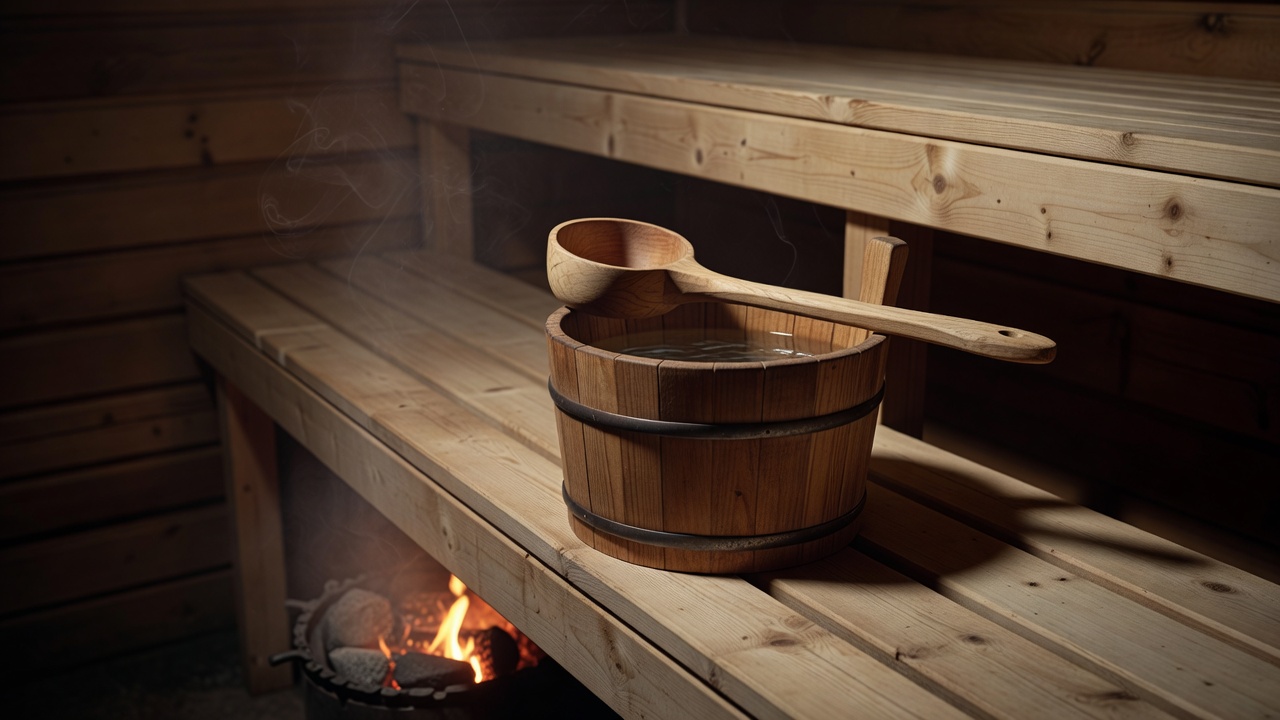
The sauna is the core facility of a Finnish lakeside cabin. It serves as an environment for physical cleansing, thermal exposure, and mental reset. Understanding the mechanics of the space ensures safe and effective operation.
Sauna Structure and Materials
A standard Finnish sauna is constructed using untreated natural timber. Common materials include spruce, pine, or alder. The walls remain bare to absorb and release moisture effectively. A sauna room typically features tiered wooden benches. Heat rises, meaning the upper bench (lauteet) is significantly hotter than the lower bench.
Ventilation is critical. Air intake near the floor and exhaust near the ceiling ensure oxygen circulation. Poor ventilation leads to a stifling environment.
Heating Concepts
The heat source (kiuas) is a metal stove holding heavy stones. Water is thrown onto these heated stones to produce steam (löyly). This action temporarily increases humidity and the perceived heat.
Wood-Heated Sauna
- Mechanism: Requires manual fire building in a firebox beneath the stones.
- Time: Takes 45 to 90 minutes to reach operating temperature, depending on outdoor conditions and wood quality.
- Experience: Provides softer heat, atmospheric fire sounds, and requires active management to maintain temperature.
Electric Sauna
- Mechanism: Utilizes electric coils to heat the stones. Controlled via a wall dial or digital panel.
- Time: Takes 30 to 60 minutes to reach temperature. Operates unattended.
- Experience: Consistent, easily regulated heat. Common in modern indoor cabin setups.
Temperature Guidance
Standard operating temperatures range from 70°C to 90°C (158°F to 194°F). Beginners should target 70°C. Extreme temperatures above 100°C exist but are unnecessary for standard relaxation. Adjust heat exposure by moving between the upper and lower benches rather than altering the stove temperature drastically.
Cooling Down and Lake Access
The cooling phase is as important as the heating phase. The cycle consists of heating, resting, and cooling, repeated multiple times.
Lakeside cabins facilitate immediate outdoor cooling. Guests walk from the sauna directly to the terrace or dock. Lake swimming provides rapid temperature reduction. In summer, lake water temperatures range from 15°C to 22°C. In winter, properties may maintain a hole in the ice (avanto), with water temperatures hovering near 1°C. Cold water immersion constricts blood vessels and accelerates the cooling process.
Sauna Etiquette
Finnish sauna etiquette is practical and straightforward.
- Shower before entering to maintain hygiene.
- Use a seat cover (pefletti), usually a small wooden board, paper, or linen cloth, to protect the wooden benches from sweat.
- Communicate before throwing water on the stones. The resulting steam blast affects everyone in the room.
- Maintain a quiet demeanor. Loud conversations are generally discouraged.
- Hydrate thoroughly with water or non-alcoholic beverages during cooling phases.
Seasonal Considerations
Winter sauna use requires careful logistical planning. Access paths between the sauna and the lake must be cleared of ice to prevent slipping. Footwear (such as insulated sandals) is recommended for the walk to the dock. The transition from extreme heat to freezing air demands physiological caution. Consult a physician before engaging in ice swimming if underlying health conditions exist.