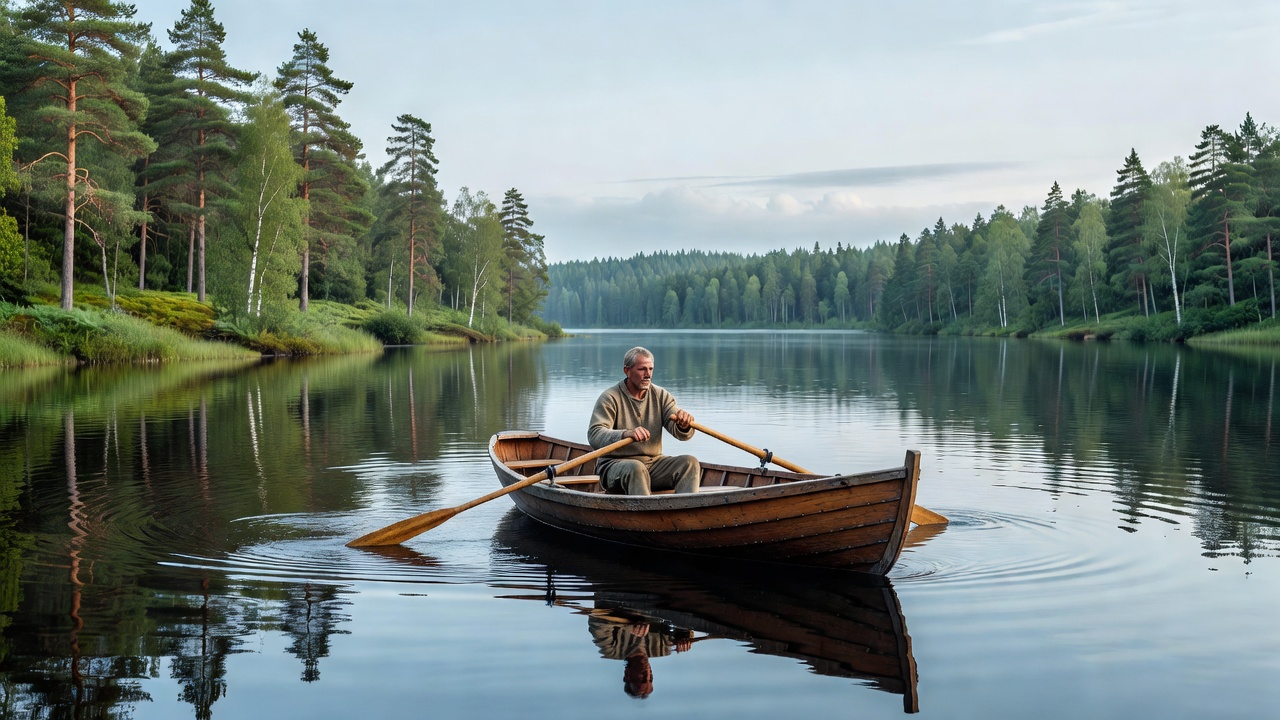
Lakeside cabin stays focus on immediate natural surroundings. Activities require minimal infrastructure and rely on accessible water and forest terrain. Seasonal timing dictates available options.
Water Activities
The lake dictates daily routines during open-water months.
- Swimming: Possible from June to September without specialized thermal gear. Shoreline depths vary rapidly. Cabins with private docks offer the clearest entry point. Always verify submerged rocks before diving.
- Rowing: Most cabin rentals provide a basic fiberglass or wooden rowboat. Rowing allows access to deeper water and nearby islands. Safety vests (PFDs) are mandatory equipment and are typically supplied with the boat.
- Paddling: Stand-up paddleboarding (SUP) and kayaking are common on calm days. Wind conditions on large lakes change rapidly; early morning or late evening offer the most stable conditions.
- Fishing: General rod-and-line fishing from a dock is standard. Specialized lure fishing requires specific municipal or regional permits. Equipment availability varies by property.
Forest Activities
Forests begin immediately behind the cabin plot.
- Hiking: Cabin roads and logging trails form natural walking routes. Established national parks offer marked paths, but immediate cabin surroundings require navigation skills. Compass and map use are recommended for off-trail walking.
- Cycling: Gravel roads connecting cabin regions suit gravel bikes and mountain bikes. Distances between points of interest are long.
- Nature Observation: Wildlife includes moose, foxes, hares, and extensive birdlife. Dawn and dusk present optimal viewing windows.
Foraging Seasons
Finland operates under "Everyman's Right," allowing public access to forests for foraging, provided it does not disturb private dwellings.
Berry Season: Begins in July with blueberries and cloudberries. Lingonberries ripen in late August and September. Foraging requires only a bucket and appropriate footwear.
Mushroom Season: Late August through October. Common finds include chanterelles and porcini. Proper identification is critical; toxic species exist. Use local guidebooks or digital identification tools.
Winter Activities
Sub-zero temperatures transform the environment, enabling ice-based traversal.
- Ice Walking: Once the lake freezes solidly (typically January to March), the flat surface becomes a vast walking area. Verify ice thickness locally before stepping onto the lake.
- Cross-Country Skiing: Skiing occurs directly on the frozen lake or on machine-maintained tracks in nearby municipalities.
- Winter Relaxation: Indoor activities prioritize fireplace management, reading, and thermal contrast via the sauna.
Practical Considerations
Weather drives safety. Summer thunderstorms mandate immediate return to shore. Autumn brings rapid temperature drops at sunset. Winter requires robust thermal layering and daylight management, as natural light is limited to a few hours.
Respect property boundaries. While public access is permitted in forests, walking across a neighboring cabin's private dock or immediate yard is prohibited.